Studies presented at Obesity Week 2025 validate the test’s ability to predict weight-loss response to GLP-1 drugs like semaglutide, including in diverse patient populations and post-bariatric surgery patients.
Published in Cell Metabolism, the Phenomix and Mayo Clinic research shows the MyPhenomeTM test can help providers guide obesity treatment by matching patients to GLP-1s or phentermine/topiramate based on their unique biology.
A novel gene risk score, informed by machine learning, predicted weight-loss outcomes after Roux-en-Y gastric bypass (RYGB) surgery, a new analysis showed.
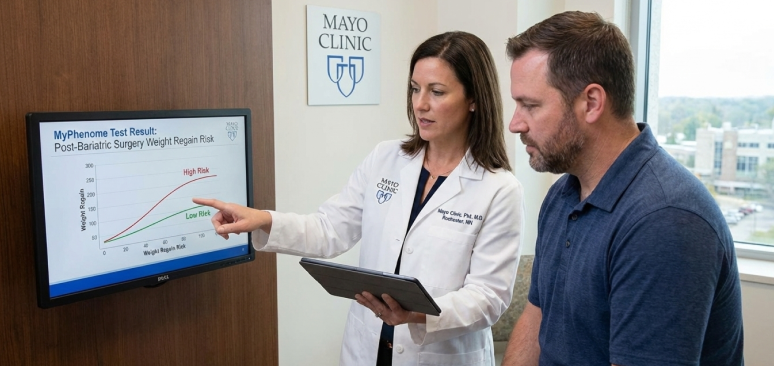
Research presented at Digestive Disease Week 2025 is the first to show that the MyPhenome test can identify patients at risk for weight regain and those most likely to benefit from bariatric procedures.
I met a mix of biotech and healthtech companies at HLTH affecting everything from drug development, drug efficacy to controlling specialty care costs and managing chronic diseases.
For many patients, GLP-1 drugs like Ozempic and Wegovy lead to substantial weight loss. But some see much less benefit, and researchers are trying to figure out why.
A new set of objective and simple phenotyping tests that categorize patients by four distinct subtypes of obesity is set to disrupt obesity care, by enabling the tailoring of therapy to a patient's syndrome to create care that is more successful and cost-effective.